

Should I Replace My Helmet After a Crash? Short Answer: Yes.
Long answer: Even if your helmet looks fine after a crash, absorbing an impact can weaken the materials and reduce effectiveness, meaning it might not perform at 100% the next time around, and it’s time for a replacement.
What If I Haven’t Crashed?
Even without an accident (color us impressed), helmets don't last forever. Temperature changes, UV exposure, bug spray, sunscreen, and other factors can weaken helmet materials over time, so we recommend replacing your helmet every five years.
Storing Your Helmet
- Do: Store your helmet in a well-ventilated place so it can dry out completely between rides. A lot of our helmets come with an antimicrobial lining, but letting it dry completely is a great backup for avoiding funky smells.
- Don’t: Store your helmet in an attic, garage, car trunk, or any other place where heat can accumulate—excessive heat can damage your helmet.
How Do You Know How Old Your Helmet Is?
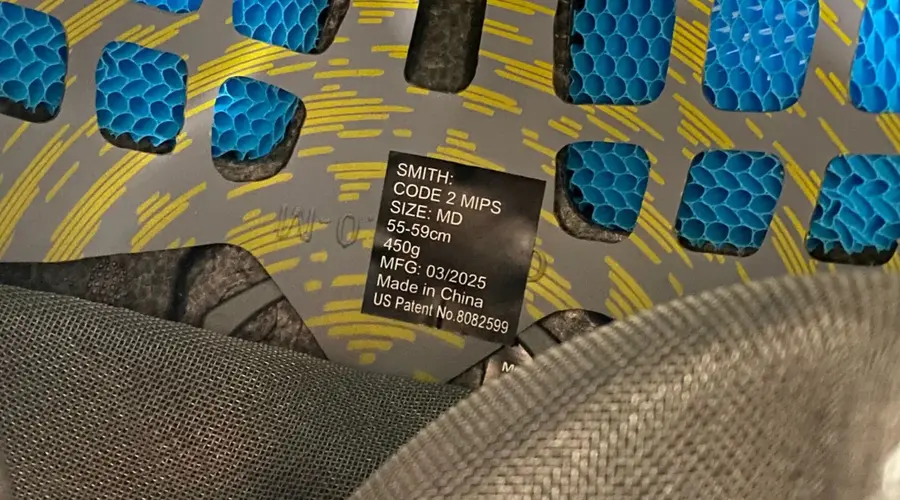
If you can't remember when you bought your helmet, there's an easy way to check. Inside every SMITH helmet, there’s a small square sticker that says “MFG: MONTH/YEAR,” which indicates how old your helmet is. If your helmet’s old enough to swap a strider bike for a pedal bike, it's time to get a new one.
How to Care for Your Helmet
It’s important to make sure you’re taking good care of your helmet throughout its lifespan. Here are some do’s and don'ts to make sure it stays in good shape as long as possible:
Cleaning Your Helmet
- Use a soft cloth or sponge with mild soap and water to clean your helmet.
- Avoid harsh cleaners or solvents.
- Hand-wash removable pads and lay flat to dry.